Planning Calabria
Entry requirements for Italy for US travelers
US citizens can visit Italy for up to 90 days in any 180-day period without a visa. Your passport must be valid for at least three months beyond the day you leave the Schengen area (six months is the safer target) and must have been issued within the last 10 years. Since April 2026, the EU's Entry/Exit System records your fingerprints and face at your first Schengen border instead of stamping your passport. ETIAS, the online travel authorization, is not running yet and has no start date, so there is nothing to apply for today.
What a US passport holder needs to enter Italy right now
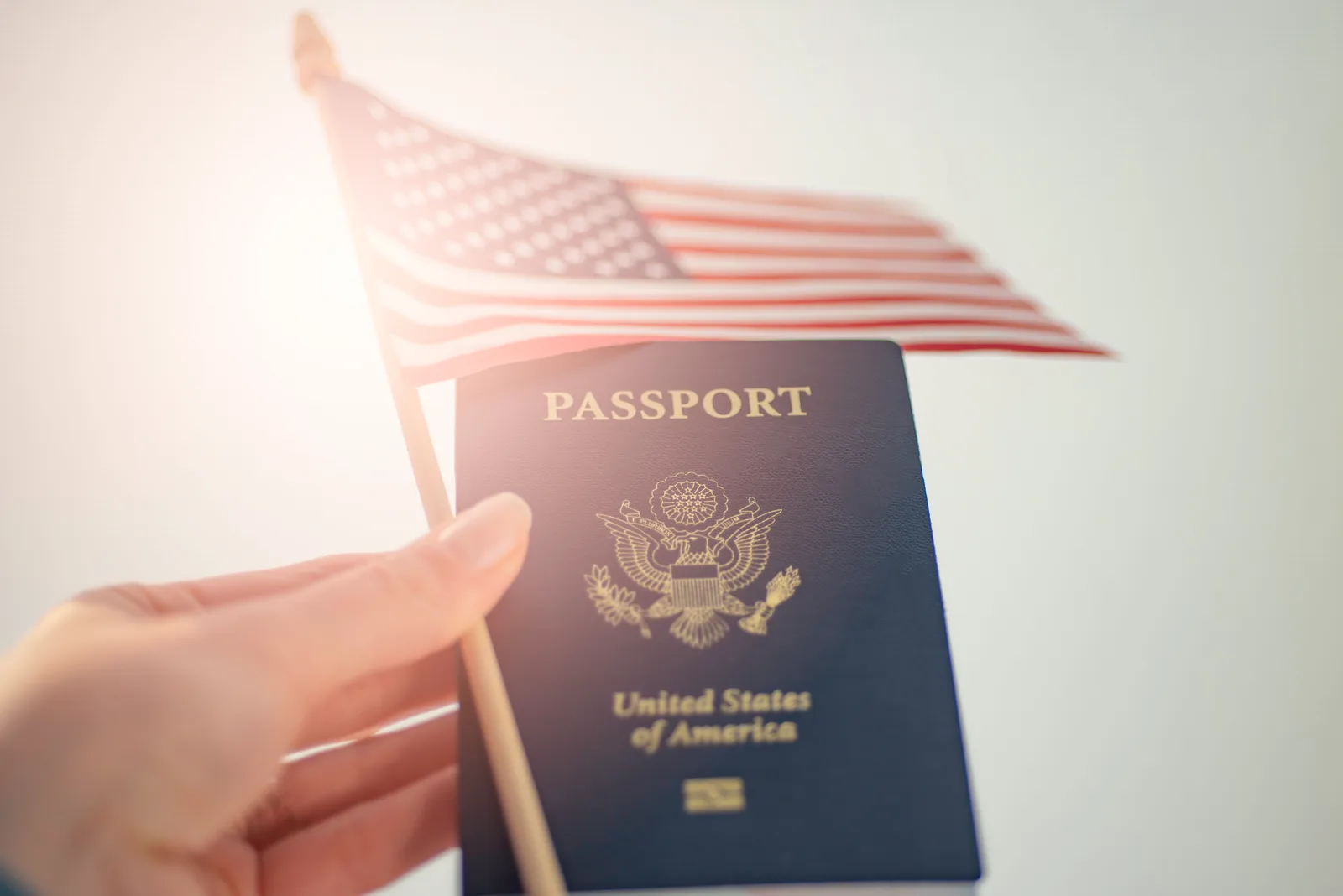
As of November 2026 the list is short: a valid US passport, a trip that fits the short-stay rules, and the means to go home again. Italy is part of the Schengen area, so the same rules apply as in France, Spain or Greece, and the days you spend in all of them count together.
The US State Department's Italy page asks for a passport valid at least three months beyond your planned departure from the Schengen area, recommends six months, and lists two blank pages. Schengen rules also require a passport issued within the previous 10 years. For most adults with a standard 10-year US passport, the expiry date is the one to watch.
Italian police guidance says visitors need enough money for the stay and the journey home, and that a return ticket is sufficient proof. Keep your onward booking on your phone at the border.
How the EU Entry/Exit System works at the border
The Entry/Exit System (EES) replaced passport stamps. It started on 12 October 2025, rolled out in stages, and became fully operational on 10 April 2026 across 29 European countries. At your first Schengen border, it records your passport details, fingerprints and a facial image, then logs each entry and exit, which is how overstays are now detected automatically.
The first registration takes longest. On later trips you may be asked to give your biometrics again at each crossing. Children under 12 are not fingerprinted, though they still pass through the process. Your record is kept for three years after your last exit, or five years if you overstay.
Where you register depends on your route. Fly nonstop from the US to Rome or Naples and it happens there. Connect through Frankfurt, Munich or Paris and it happens at that first Schengen airport, so your onward flight into Calabria lands like a domestic one. Connect through London and you register on arrival in Italy, because the UK is outside Schengen.
Queues were the weak point of the rollout. In summer 2026, the operator of Rome Fiumicino warned of long waits at passport control and asked for flexibility at peak times. Leave a generous connection at your entry airport, especially on a first trip under the new system.
ETIAS is scheduled, but not required for now
ETIAS is the online travel authorization that visa-exempt visitors, Americans included, will eventually need before flying to Europe. The European Commission's page states that it is not in operation and no applications are being collected, and that the EU will announce the start date several months before launch.
The official target used to be the last quarter of 2026. That wording disappeared in mid-2026, and the Financial Times reported that the EU's IT agency, eu-LISA, no longer saw a 2026 launch as feasible. Press coverage now points to 2027, but that is reporting, not an announced date.
When ETIAS does begin, the fee will be €20, raised from the original €7. Applicants under 18 or over 70 will be exempt from paying it. An approval is designed to last three years or until your passport expires, whichever comes first. Any website charging for ETIAS today is not the official one.
How to count your 90 days in the Schengen area
The 90/180 rule is a rolling window, not a calendar allowance. On any day of your trip, look back 180 days and add up every day you spent anywhere in the Schengen area. The total cannot go over 90.
A one- or two-week trip to Calabria never comes close. The rule starts to matter if you add Italy to a long stretch elsewhere in Europe or return several times in one year. The European Commission's short-stay calculator does the counting for you, in a planning mode for future trips and a check mode for stays already made.
The declaration of presence, and why hotels cover it
Italian law asks short-stay visitors to declare their presence. According to the Polizia di Stato, travelers arriving straight from outside Schengen are treated as having declared at the border, where the entry check (historically the passport stamp) counts as the declaration.
If you arrive from another Schengen country, the rule is to declare within 8 days at the local questura. For hotel guests, though, the registration form you sign at check-in is the declaration, and the hotel gives you a copy to show police on request. If you stay with friends after connecting through another Schengen country, ask your hosts about the form.
Entry checklist for Italy, November 2026
Rules here move. Check the EU's official travel site and the State Department's Italy page in the weeks before you fly, not only when you book.
| Requirement | Status | What to do |
|---|---|---|
| Tourist visa | Not required for up to 90 days in 180 | Nothing, unless you plan to work, study or stay longer |
| Passport validity | 3 months beyond Schengen departure; 6 recommended | Check expiry and issue dates before booking flights |
| EES registration | Live since 10 April 2026 | Allow extra time at your first Schengen airport |
| ETIAS | Not operating; no start date announced | Pay no one; check the EU's official site before you fly |
| Declaration of presence | Covered by the border check or hotel registration | Keep the hotel's copy with your passport |
| Driving | International Driving Permit legally required with a US license | Get one from AAA if you will rent a car |
Before you fly: the US government steps worth taking
The State Department rates Italy at Level 2, Exercise Increased Caution, citing terrorism, the same level it has held for several years. Enrolling in its Smart Traveler Enrollment Program (STEP) means the US Embassy in Rome can reach you in an emergency.
If you will drive, read up on driving in Calabria, because the International Driving Permit is a legal requirement, not a formality. For the route that gets you through passport control, see how to get to Calabria from the US, and for where the paperwork fits in the wider plan, start with how to plan a trip to Calabria.
Planning Calabria?
Hear when 2027 dates open
A small group of women, one week in Tropea, everything arranged. Join the list for first word on dates and an occasional letter from Calabria.
One email when 2027 dates open, and an occasional letter from Calabria. Unsubscribe any time.
Questions
Does my passport need six months of validity for Italy?
The rule is three months beyond the day you leave the Schengen area. The State Department recommends six, and that buffer protects you if a flight is canceled or plans change. If your passport expires within six months of your return date, renewing before you book is the calm option.
Do I have to sign up for the EES before I travel?
No. There is no application and no fee. Your EES record is created at your first Schengen border, where an officer captures your passport data, fingerprints and photo.
Will I need ETIAS for a trip in 2027?
Possibly. The EU has not announced a start date and has said it will give several months' notice. If ETIAS is live by your travel date, you will apply online through the official EU site and pay €20, unless you are under 18 or over 70.
Do children follow the same entry rules?
Yes. Every child needs their own passport, and US passports issued to children under 16 are valid for five years, so check expiry dates early. Under the EES, children under 12 are not fingerprinted.
Sources and further reading
- European Commission: Entry/Exit System
- European Commission: European Travel Information and Authorisation System (ETIAS)
- US Department of State: Italy International Travel Information
- Polizia di Stato: Entering Italy
- European Commission: Short-stay calculator
Checked November 19, 2026. Timetables, prices and opening hours change; confirm before you travel.
Keep reading
Related guides