Italian customs
Tipping in Italy
Tipping in Italy is optional and never expected the way it is in the US. Service is built into prices, many restaurants add a cover charge (coperto) of about €1 to €3 per person, and staff are not supposed to ask for tips. If you were well looked after, leave a euro or two or round up the bill; for taxi drivers and hotel porters, small change is plenty.
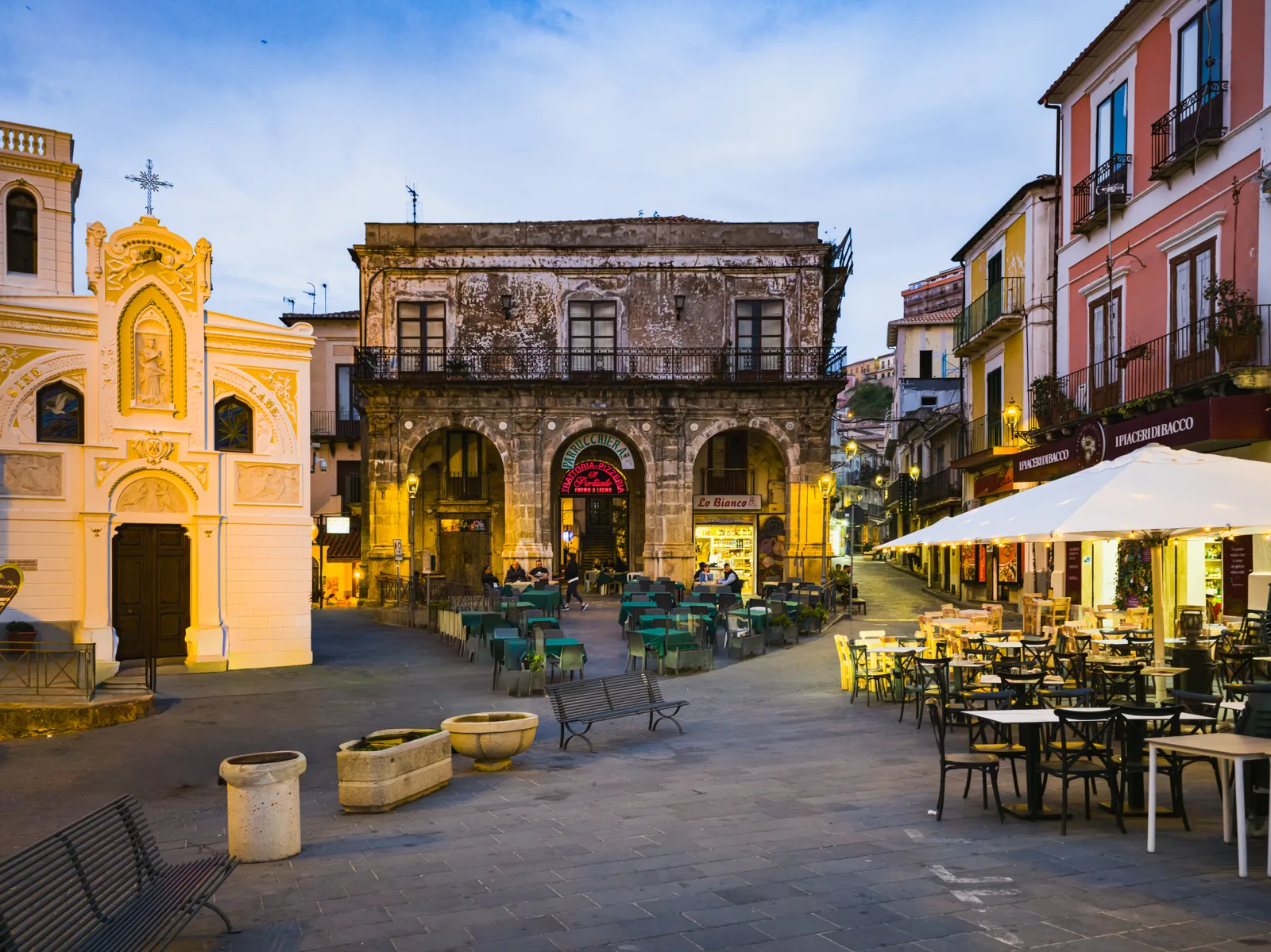
Why tipping is optional in Italy
In Italy a tip, la mancia, is a thank-you for service beyond the ordinary, not part of the price. Service is considered included in what you pay, and the national collective contract for restaurant, bar and hotel workers explicitly bars staff from asking customers for tips. Italian law treats a tip as a purely voluntary gift.
That does not mean tips are unwelcome. Since 2023, tips received by hotel and restaurant workers have had their own flat 5% tax rate, whether they arrive in cash or by card, which tells you they are a recognized part of hospitality pay. The difference from the US is scale and obligation: nobody's wage depends on your 20%, and nobody will chase you for leaving nothing.
Coperto and servizio: what is already on your bill
Two lines on an Italian restaurant bill often confuse American visitors, and neither is a tip.
Coperto is the cover charge, literally the place setting: tableware, glasses, tablecloth, napkin and usually the bread basket. It is typically €1 to €3 per person, and the habit goes back to medieval inns, which charged for a seat and cutlery when they could not charge for food a traveler brought along. Restaurants in Rome are a well-known exception and generally do not charge it.
Servizio is a service charge, usually a percentage. It is far less common than coperto, but some restaurants do add it. Restaurants must tell you about fees in advance, so both charges normally appear on the menu. If servizio is on the bill, you have already tipped.
How much to tip, situation by situation
The short version: round up, leave small change, and save anything larger for service that genuinely stood out.
| Situation | Expected? | What people usually do |
|---|---|---|
| Restaurant or trattoria, ordinary meal | No | Round up, or leave €1 to €2 per person on the table |
| Restaurant, exceptional service or a long celebration dinner | No | Leave a few euros more; there is no fixed percentage |
| Bill already shows servizio | No | Nothing more |
| Coffee or a drink at the bar counter | No | Leaving a few coins of change is a friendly gesture |
| Taxi | No | Round up the fare or leave the change |
| Hotel porter carrying bags | Appreciated | A little something, such as a euro or two |
| Hotel housekeeping | No | Optional; leave a note with it so it is clearly for staff |
| Guide, driver or boat crew | No | A cash thank-you if they went out of their way; the amount is your call |
| Beach club staff | No | Not expected; the umbrella and loungers are a paid service already |
Cash or card: how to leave a tip in Italy
Cash is still the simplest way to tip in Italy. Tips paid by card have to be passed on to staff by the employer, through payroll, which is how the 5% tax regime works. A coin or a small note left on the table or handed over with a "grazie" goes straight to the person who served you.
Keep a few €1 and €2 coins in your purse for this. They also cover a quick coffee at the bar counter.
Bars: why the price changes when you sit down
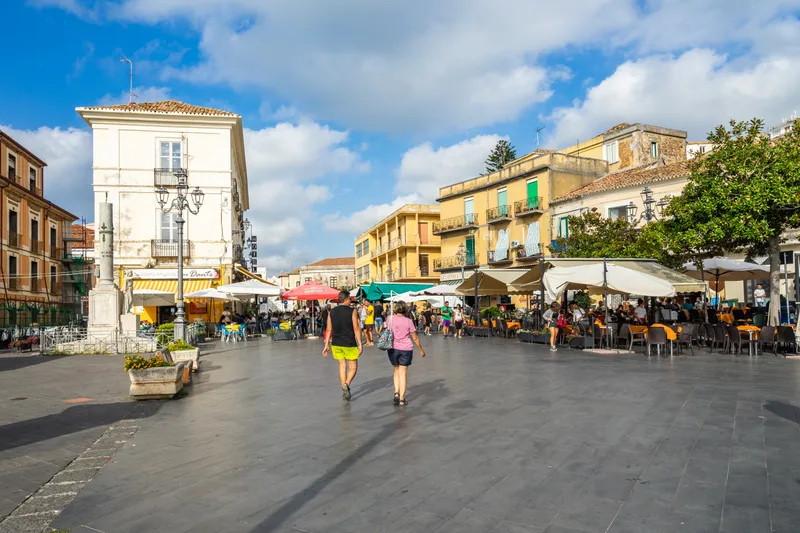
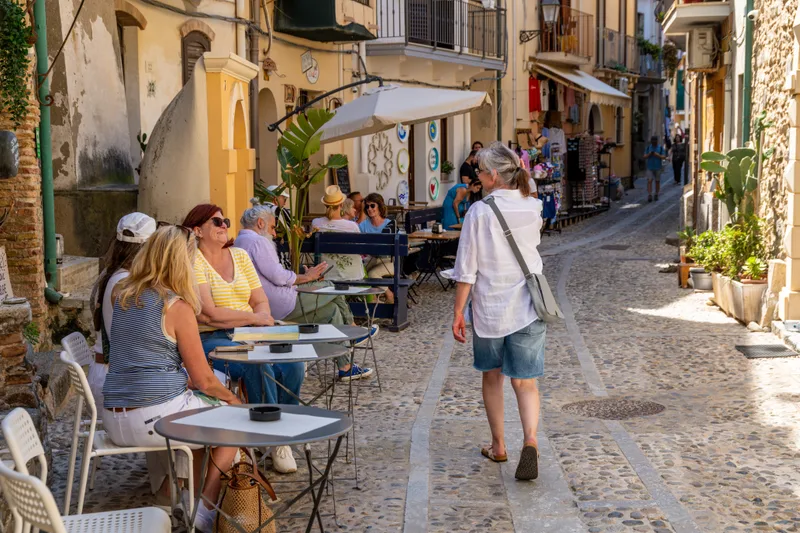
In an Italian bar, the price depends on where you drink, and the difference is not a tip. Standing at the counter is the cheapest way to have a coffee or a drink. Sit at a table, especially outside on a busy square, and the bill includes table service, which in the centers of major cities is often about double the counter price.
The counter price is one reason so many Italians drink their espresso standing up. If you sit down, do not add a tip on top of the table charge; the service has already been paid for.
Tipping in Calabria and the South
The rules are the same in Calabria as anywhere else in Italy. Everyday prices are lower than in the North (an espresso in Catanzaro averaged €1.08 in June 2026, the lowest of 19 cities surveyed), and rounding up a dinner bill or leaving a couple of euros remains the standard thank-you.
Where a tip carries more meaning is in personal service: the boat crew on a day trip along the Costa degli Dei, a driver who waited for a late flight, a cook who walked you through a recipe. A small cash thank-you in those moments is noticed and remembered. To say it well, the guide to Italian phrases for Calabria covers the essentials.
Planning Calabria?
Hear when 2027 dates open
A small group of women, one week in Tropea, everything arranged. Join the list for first word on dates and an occasional letter from Calabria.
One email when 2027 dates open, and an occasional letter from Calabria. Unsubscribe any time.
Questions
Is it rude not to tip in Italy?
No. Service is included in Italian prices and tipping is voluntary, so leaving nothing after an ordinary meal is normal. A tip is a thank-you for service that stood out, not a duty.
Should I tip if the bill says servizio incluso?
No. Servizio incluso means a service charge is already part of the bill. You can still round up for exceptional service, but no one expects it.
Is the coperto a scam?
No. The coperto is a legitimate cover charge for the place setting and bread, typically €1 to €3 per person, and it should be listed on the menu. If you see a charge you were not told about, ask politely for an explanation.
Do Italians tip in restaurants?
Not much. Tips are uncommon in Italy and given mainly for special service; when Italians do tip, rounding up or leaving a euro or two is the usual gesture, with something larger kept for a celebration or outstanding service.
Sources and further reading
- Wikivoyage: Italy (tipping, coperto, bars)
- Wikipedia (Italian): Mancia
- Wikipedia (Italian): Coperto
- Wikipedia: List of tipping customs by country, Italy
- IPSOA: 5% substitute tax on tips for hospitality workers (Budget Law 2023)
Checked November 19, 2026. Timetables, prices and opening hours change; confirm before you travel.
Keep reading
Related guides