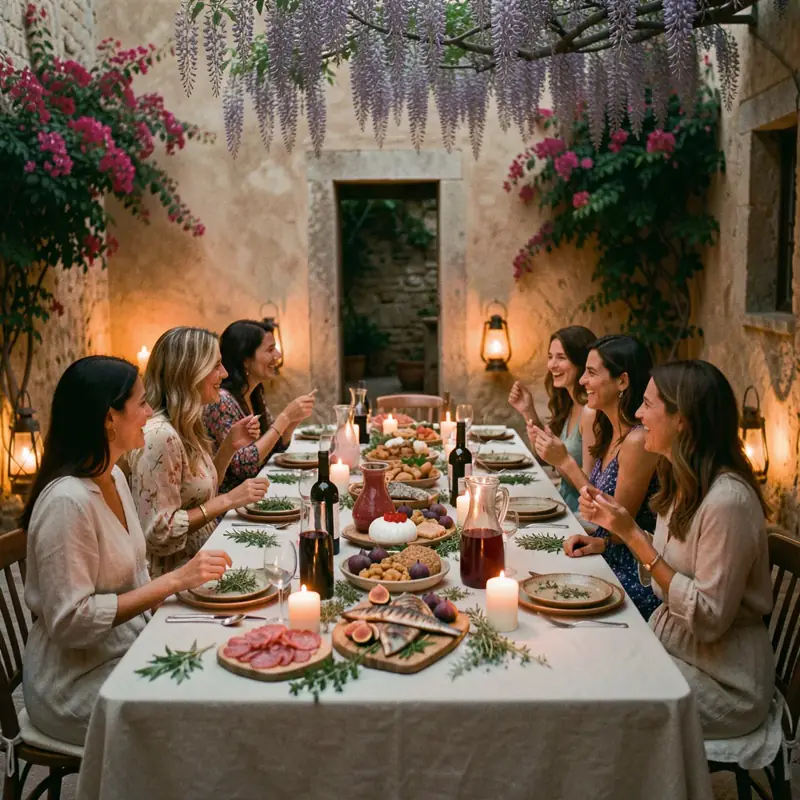
Calabrian food guide
Calabrian olive oil
Calabrian olive oil is extra virgin oil pressed mostly from native olives such as Carolea, Ottobratica and Dolce di Rossano, in a region that usually ranks second in Italy for olive oil after Puglia. Four protected names guarantee origin: the regional Olio di Calabria IGP and three DOPs, Bruzio (Cosenza), Lametia (around Lamezia Terme) and Alto Crotonese (Crotone). Taste it raw on bread with salt and oregano, and buy bottles that show the harvest year.
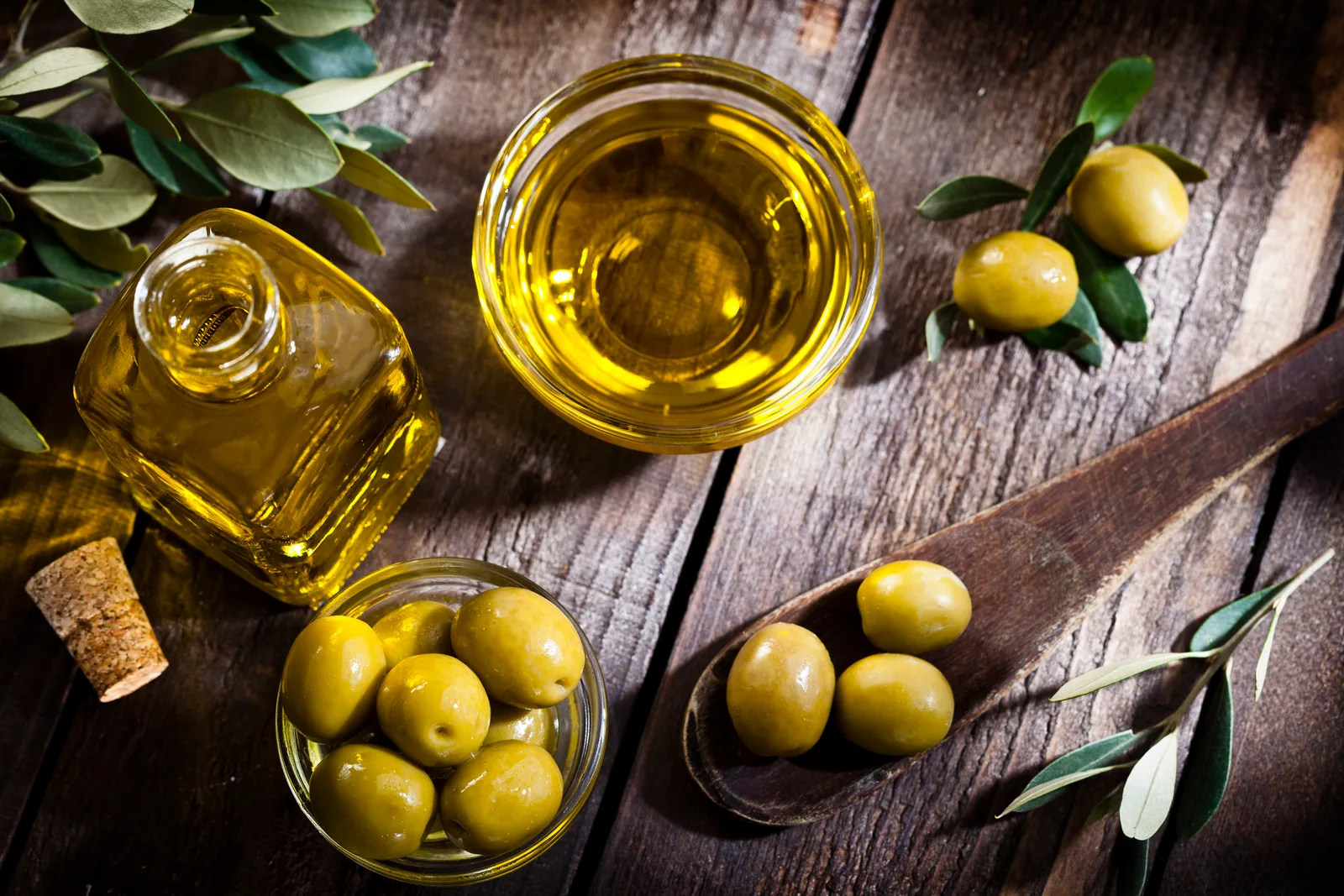
Four protected names cover Calabrian olive oil
Calabria has one regional IGP and three DOPs for extra virgin olive oil, and each sets which olives may go in the bottle. The IGP covers the whole region and requires at least 90% native Calabrian cultivars. The DOPs are smaller areas with stricter recipes, so a DOP bottle tells you more about where and what you are tasting.
Bruzio has been protected by the EU since 1997, and it must carry one of four subzone names on the label. That subzone matters: a Bruzio Colline Joniche Presilane is mostly Dolce di Rossano olives, while a Bruzio Sibaritide is mostly Grossa di Cassano.
| Name | Where the olives grow | What the rules require |
|---|---|---|
| Olio di Calabria IGP | The whole region | At least 90% native cultivars such as Carolea, Dolce di Rossano, Sinopolese, Grossa di Gerace, Tondina, Ottobratica |
| Lametia DOP | Nine comuni around Lamezia Terme, including Maida, Curinga, Filadelfia and Francavilla Angitola | Carolea at least 90% |
| Alto Crotonese DOP | Six inland comuni of Crotone province, such as Savelli and Verzino | Carolea at least 70% |
| Bruzio DOP | Province of Cosenza, in four named subzones | Fascia Prepollinica: Tondina 50%+. Valle Crati: Carolea 50%+. Colline Joniche Presilane: Dolce di Rossano 70%+. Sibaritide: Grossa di Cassano 70%+ |
Carolea is the olive you will taste most often
Carolea is Calabria's signature olive, the backbone of both Lametia and Alto Crotonese, and common in IGP blends. It is a dual-purpose variety, cured for the table as well as pressed, and its oil runs yellow with green highlights. Expect apple, almond and artichoke on the nose, then a bitter, grassy finish with some pepper at the back of the throat.
Further south, around Reggio Calabria and the plain of Gioia Tauro and Rosarno, Ottobratica gives a softer golden oil with almond notes. On the Ionian side near Corigliano-Rossano, Dolce di Rossano is the local variety. Closer to Tropea, the regional list of traditional products includes a named local oil, Olio extra vergine di oliva Colli di Tropea, from the hills behind the coast.
Bitterness and a peppery kick are good signs
A bitter or pungent finish is a mark of quality in Calabrian oil, not a fault. The regional agriculture agency describes that bite as a sign of the compounds that make good extra virgin oil valuable, and it varies in strength from one oil to the next. A flat, greasy oil with no catch in the throat is usually old or poorly stored.
The pepperiness comes from the olives, not from chili. If you want heat, that is a separate product, olive oil steeped with peperoncino, covered in the guide to Calabrian chili peppers.
- At the table: ask for a slice of bread or a crostino with oil, a pinch of salt and oregano, the simplest way Calabrians taste a new oil.
- With vegetables and beans: raw oil poured over cooked greens and legumes is where Calabrian oil shines.
- With citrus: Calabrians even pour oil over fruit, above all citrus, and an orange salad ('Nzalata i purtualli) is on the region's list of traditional dishes.
- History note: in old Calabria, olive oil was largely burned in lamps, and home cooks fried in pork lard. Today oil is the everyday fat.
New oil arrives after an autumn visit, so taste last year's harvest
Most Calabrian olives are picked in late autumn, so in September and early October you are tasting the previous year's oil. Carolea, the main variety, is usually harvested in November, and olio nuovo (new oil) appears in shops and mills after that. An oil from the last harvest is still fresh in early autumn if it was kept dark and cool.
This affects what you see at a mill. Presses mostly run during the harvest, so an early-autumn visit to a frantoio is about tasting and buying rather than watching olives go through the press.
How to buy a bottle worth carrying home
Check four things on the label: the protected name, the harvest year, the olive variety and the container. These separate a real Calabrian oil from a generic Italian blend sold to visitors.
- Protected name and EU logo: "Olio di Calabria IGP" or one of the three DOPs, with the yellow and red or yellow and blue EU seal.
- Harvest year: look for the campaign (for example 2025/26). A best-before date alone tells you little.
- Variety and place: a named cultivar such as Carolea or Ottobratica and a named comune are signs of a small producer.
- Dark glass or a tin: light spoils oil. Skip clear bottles that have sat in a sunny shop window.
- Size for travel: 250 to 500 ml bottles or tins pack more safely than a liter. Read Calabrian food souvenirs to bring home for packing, and can you bring Italian food back to the US for customs.
Where to taste it on Calabria's oil routes
Italy's official tourism site maps Calabrian oil routes through 17 member towns of the Città dell'Olio (Olive Oil Towns) network, from Corigliano-Rossano and San Basile in the north to Gerace and Cinquefrondi in the south. Several, such as Lamezia Terme and Maida, sit inside the Lametia DOP area near Lamezia Terme, the airport closest to Tropea.
If you stay on the Costa degli Dei, the closest protected oil grows in Filadelfia and Francavilla Angitola, two Lametia DOP comuni in the same province as Tropea. Many restaurants pour a local oil without naming it, so ask: "Di dove è l'olio?" (Where is the oil from?).
Planning Calabria?
Hear when 2027 dates open
A small group of women, one week in Tropea, everything arranged. Join the list for first word on dates and an occasional letter from Calabria.
One email when 2027 dates open, and an occasional letter from Calabria. Unsubscribe any time.
Questions
Is Calabrian olive oil spicy?
Plain Calabrian extra virgin oil is not spicy with chili, but good oil has a peppery catch in the throat and a bitter finish from the olives themselves. Chili oil, olive oil steeped with peperoncino, is a separate product sold next to it.
What does IGP mean on Olio di Calabria?
IGP (PGI in English) is an EU protected geographical indication. For Olio di Calabria it means the olives were grown in Calabria and at least 90% come from native Calabrian varieties, under a control body's checks.
Is DOP oil better than IGP oil?
Not automatically. A DOP covers a smaller area and a narrower recipe, so it tells you more about the oil's character, but a well-made IGP or a small producer's unlabeled oil can be excellent. Freshness and storage matter as much as the seal.
When can you buy olio nuovo in Calabria?
New oil follows the harvest, which for most Calabrian groves runs through late autumn, with Carolea usually picked in November. Bottles of olio nuovo appear after pressing, so a September or October visitor will mostly find the previous harvest.
Sources and further reading
- Regione Calabria and ARSAC: DOP, IGP and PAT products of Calabria (2023)
- Italia.it: Olive oil routes in Calabria
- Wikipedia (Italian): Carolea
- Wikipedia: Bruzio
- Tasting Table: the Italian regions that produce the most olive oil (Mediobanca data)
Checked November 19, 2026. Timetables, prices and opening hours change; confirm before you travel.
Keep reading
Related guides