US customs
Can you bring Italian food back to the US
Yes, most packaged Italian food can come home with you: solid cheeses such as Parmigiano and aged pecorino, olive oil, vinegar, packaged spices, honey, coffee, tea, bakery items and wine within the alcohol rules. Meat is the big exception. USDA APHIS says travelers may not bring prosciutto, salami or other cured hams from Italy, sealed or not. Declare every food item when you land; if you declare, you face no penalty even if an inspector takes it.
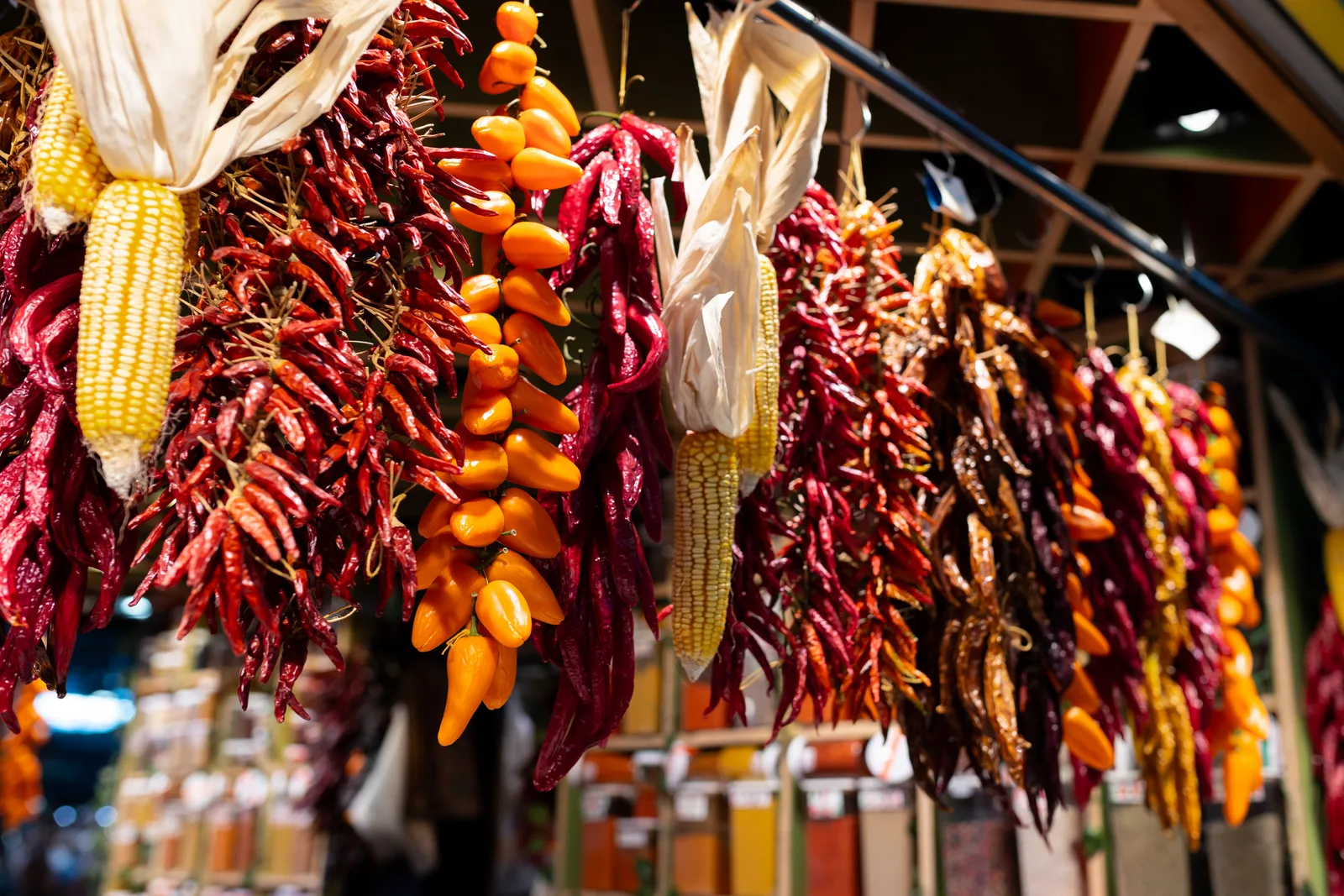
What you can and cannot bring home from Italy
The rule of thumb: shelf-stable, commercially packaged plant foods and solid cheeses are generally allowed; meat, fresh produce and spoonable cheeses are not. The table sums up the current guidance from USDA's Animal and Plant Health Inspection Service (APHIS) and US Customs and Border Protection (CBP). Inspectors make the final call at the airport.
| Item | Status | Source |
|---|---|---|
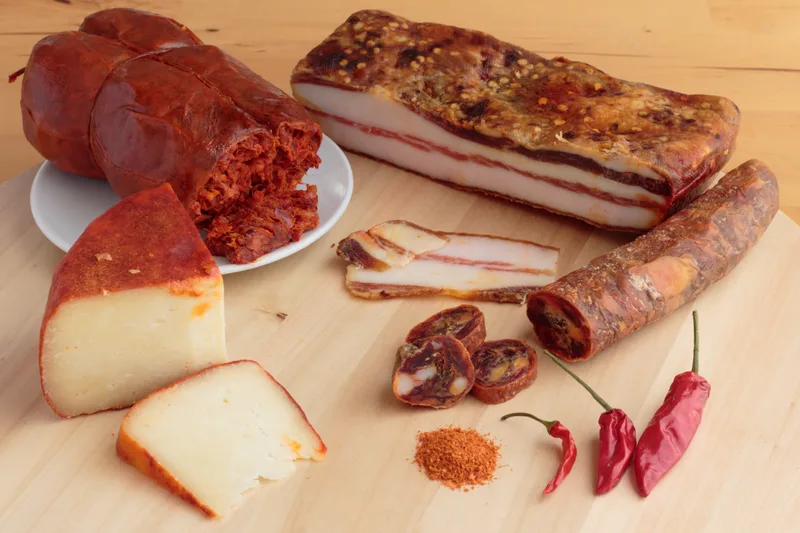
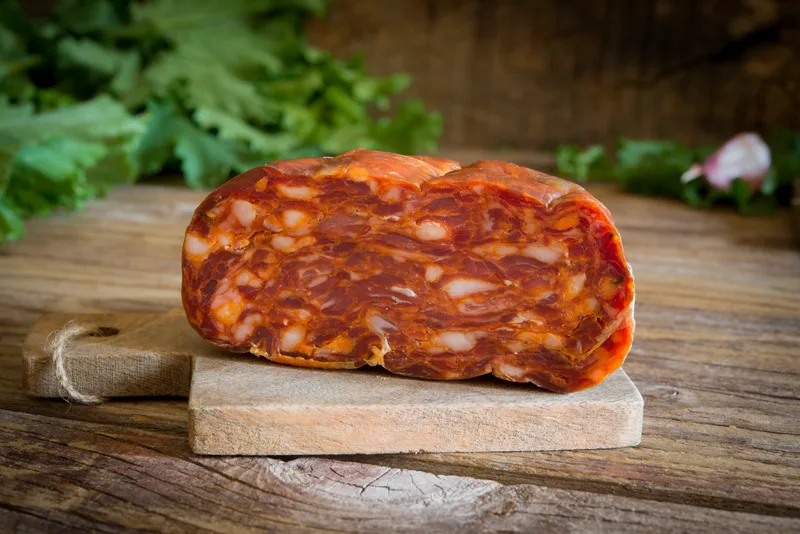
| Prosciutto, salami, soppressata, nduja and other cured pork | Not allowed for travelers | APHIS |
| Fresh, dried or canned meat; bouillon, soup mixes and sauces with meat | Generally not admissible | CBP |
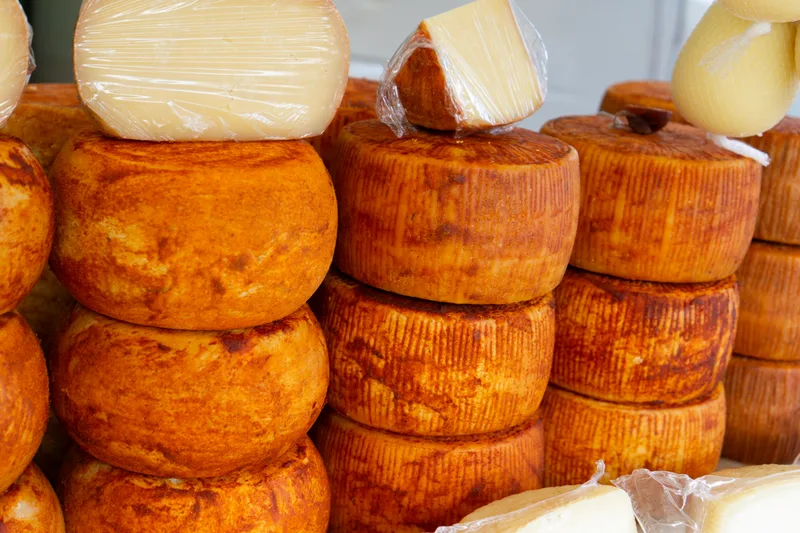
| Solid cheeses, hard or soft (Parmigiano, pecorino, caciocavallo) | Allowed if they contain no meat | APHIS |
| Ricotta and other liquid or spoonable cheeses | Not allowed | APHIS |
| Butter | Allowed | APHIS |
| Olive oil, vinegar, condiments, packaged spices, honey | Generally admissible | CBP |
| Coffee and tea | Generally admissible | CBP |
| Bakery items | Generally admissible | CBP |
| Dried figs, raisins; roasted nuts | Generally allowed if declared | APHIS |
| Commercially canned or jarred vegetables | Allowed if declared; home-canned not allowed | APHIS |
| Fresh fruit and vegetables, including lemons and onions | Almost all prohibited | APHIS |
| Wine and spirits | 1 liter duty-free at 21+; more is dutiable; state law applies | CBP |
Why prosciutto and salami are a firm no, even vacuum-packed
APHIS names Italy specifically: cured hams such as prosciutto, and salami, from areas within Italy, France, Germany and Spain may not be brought into the United States by travelers. They can enter only as commercial shipments with extra certification. Vacuum packing or a shop receipt does not change that.
The reason is animal disease. USDA restricts pork and other livestock products from countries with diseases such as African swine fever, which has circulated in Italy in recent years and was found in Calabria in 2023. CBP and USDA may seize anything that contains pork or looks like it. CBP also lists bouillon, soup mixes and other products containing meat as inadmissible, so a jar of ragù or a meat-filled pasta stays behind too.
There is a narrow exception for boneless meat that has been commercially cooked to be shelf-stable and sealed in an unopened hermetic container. Cured salami and hams do not fall under it; APHIS lists them by name.
Cheese: solid is allowed, spoonable is not
APHIS allows butter and solid cheeses, hard or soft, from any country, as long as they contain no meat and are not liquid or pourable like ricotta or cottage cheese. That puts Parmigiano Reggiano, Grana Padano, aged pecorino and Calabria's caciocavallo on the allowed side.
Ricotta is named as not allowed. Any cheese stuffed or layered with meat is out. Buy aged cheese vacuum-packed with a label, keep it cool in your checked bag, and declare it.
How to declare food when you land in the US
Declare all food and agricultural items, every time. On the paper CBP Declaration Form 6059B that means answering yes to Question 11; if you use a kiosk or an app, tell the CBP officer what food you are carrying. Also say if you visited a farm or vineyard or were near livestock, since your shoes may need cleaning.
Declaring is your protection. APHIS states that if you declare all agricultural products, you will not face penalties even when an inspector decides an item cannot enter; the item is simply taken. Failing to declare can bring a civil penalty: CBP pages cite $300 for a first-time offender and up to $1,000 for a first non-commercial offense, and the food is confiscated anyway.
Keep receipts and original packaging. APHIS accepts a package label, a receipt of sale or a certificate of origin as documentation of where a product comes from.
Wine and spirits from Italy
Returning US residents aged 21 or over can include one liter of alcohol in their duty-free personal exemption, if it is for personal use. You may bring more, but the excess is subject to duty and federal excise tax, and the laws of the state where you first arrive govern how much you may bring in. Pack bottles in checked luggage: carry-on liquid limits apply at security, including when you connect through a US airport.
For what is worth carrying from the south, see Calabrian food souvenirs to bring home.
Planning Calabria?
Hear when 2027 dates open
A small group of women, one week in Tropea, everything arranged. Join the list for first word on dates and an occasional letter from Calabria.
One email when 2027 dates open, and an occasional letter from Calabria. Unsubscribe any time.
Questions
Can I bring Parmigiano Reggiano back from Italy?
Yes. APHIS allows solid hard and soft cheeses from any country as long as they contain no meat and are not liquid like ricotta. Parmigiano Reggiano, Grana Padano and aged pecorino all qualify. Declare it and keep the label.
Is vacuum-sealed prosciutto allowed through US customs?
No. APHIS says cured hams such as prosciutto and salami from Italy may not be brought in by travelers, however they are packed. Only certified commercial shipments can import them. If you have some in your bag, declare it and it will be taken without a penalty.
What happens if I forget to declare food from Italy?
If an inspector finds undeclared agricultural items, they are confiscated and you can be fined. CBP's pages cite $300 for a first-time offender and up to $1,000 for a first non-commercial offense. Declaring everything avoids the penalty entirely.
Can I bring Italian olive oil home?
Yes. CBP lists oils, vinegars and condiments as generally admissible. Containers over 3.4 oz (100 ml) belong in checked luggage, since TSA's carry-on liquid limit applies if you connect in the US. Choose tins or wrap bottles well, and declare the oil with your other food.
Sources and further reading
- USDA APHIS: International traveler, meats, poultry and seafood
- USDA APHIS: International traveler, milk, dairy and egg products
- USDA APHIS: International traveler, fruits and vegetables
- CBP: Prohibited and restricted items
- CBP: Bringing agricultural products into the United States
Checked November 19, 2026. Timetables, prices and opening hours change; confirm before you travel.
Keep reading
Related guides