Calabrian wine
Calabrian wine guide
Calabrian wine is mostly red and built on native grapes: Gaglioppo on the Ionian side around Cirò, Magliocco across the center and north, with Greco Bianco and Mantonico as the leading whites. The region has one DOCG (Cirò Classico), nine DOCs and about a dozen IGTs, and many ambitious bottles carry the plain IGT Calabria label. Start with a Cirò red, a Greco Bianco white and, for dessert, the sweet Greco di Bianco.
Calabria is a red-wine region built on its own grapes
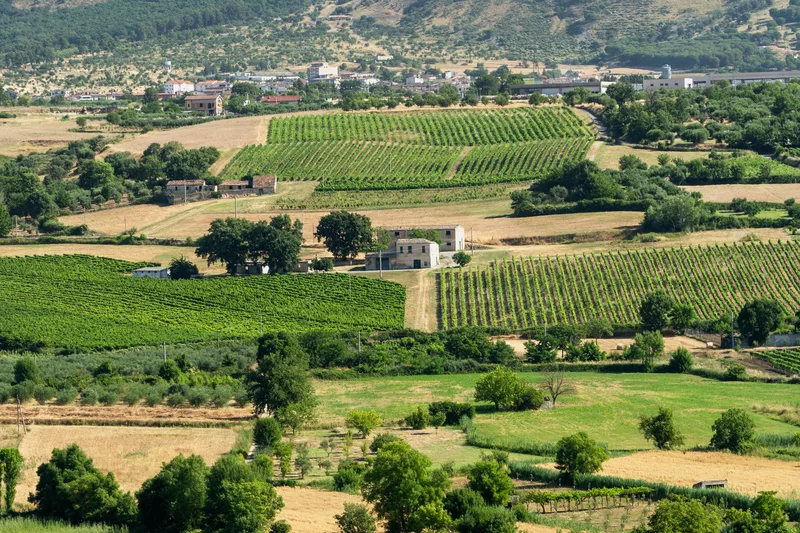
The large majority of Calabrian wine is red, and almost all of it comes from grapes that grow nowhere else in quantity. Greek settlers planted vines along this coast more than 2,500 years ago, and the official specification for Cirò Classico still traces the local wine to Krimisa, a wine of the Greek colony that stood where Cirò Marina is today.
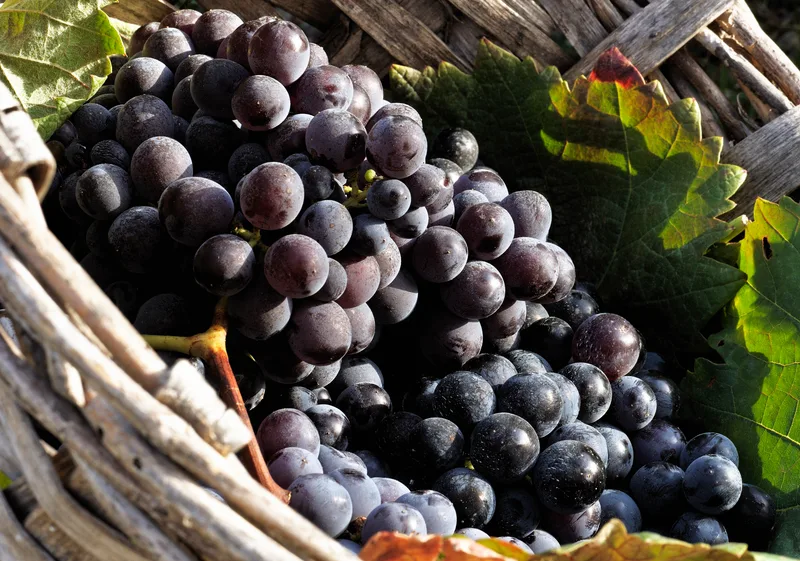
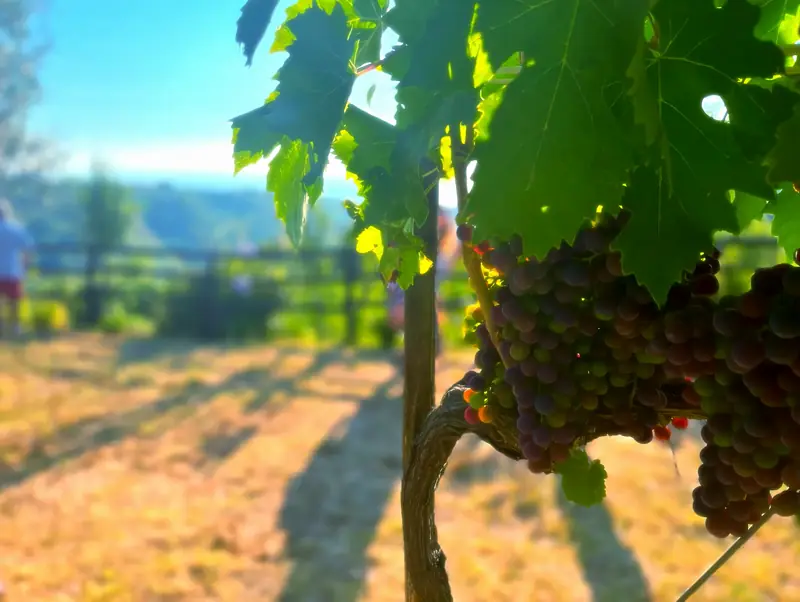
The grapes are what make Calabria taste like Calabria. DNA work suggests Gaglioppo, the region's signature red, is an offspring of the white Mantonico Bianco, a variety documented in Calabria as early as 1601. Two different reds share the name Magliocco, which has confused growers for generations.
| Grape | Color | Where it grows | What it gives |
|---|---|---|---|
| Gaglioppo | Red | Cirò, Melissa and most Ionian DOCs | Full body, firm tannin, red fruit and spice; needs time in bottle |
| Magliocco Dolce | Red | Mainly Cosenza, Catanzaro and Crotone provinces | Thick skins, dark color, plenty of tannin |
| Magliocco Canino | Red | Across Calabria, often blended with Gaglioppo | A distinct, related variety; some estates bottle it alone |
| Greco Nero | Red | Cirò Classico, Lamezia, Melissa | A local red used in blends with Gaglioppo |
| Greco Bianco | White | Cirò Bianco; Bianco on the Ionian coast | Dry whites, and the base of sweet Greco di Bianco |
| Mantonico Bianco | White | Bianco and Casignana in the far south | Floral, herbal, mineral whites; dry or passito |
The appellations: one DOCG, nine DOCs and a set of IGTs
Calabria's top tier is Cirò Classico DOCG, a red-only appellation for the communes of Cirò and Cirò Marina that requires at least 90% Gaglioppo and 36 months of aging. Below it sit nine DOCs, spread across both coasts and the mountains between them. In 2011 the Cosenza province folded its older DOCs (Donnici, Pollino, San Vito di Luzzi and Verbicaro) into one, Terre di Cosenza.
| Appellation | Province | What to expect |
|---|---|---|
| Cirò Classico DOCG | Crotone | Aged Gaglioppo red, at least 90% of the blend |
| Cirò DOC | Crotone | Gaglioppo reds and rosato, Greco Bianco whites |
| Melissa DOC | Crotone | Cirò's southern neighbor, similar Gaglioppo reds |
| Sant'Anna di Isola Capo Rizzuto DOC | Crotone, Catanzaro | Gaglioppo-based reds and rosés |
| Lamezia DOC | Catanzaro | Warm-plain reds and whites; the closest DOC to Tropea |
| Scavigna DOC | Catanzaro | Tyrrhenian-side reds, rosés and whites |
| Savuto DOC | Cosenza, Catanzaro | Cooler hill reds from a mix of local grapes |
| Terre di Cosenza DOC | Cosenza | The north's umbrella DOC, taking in the old Donnici and Pollino zones |
| Bivongi DOC | Reggio Calabria, Catanzaro | Ionian-side reds, rosés and whites from native blends |
| Greco di Bianco DOC | Reggio Calabria | Sweet wine from dried Greco Bianco grapes |
Why so many good Calabrian bottles say IGT Calabria
IGT Calabria covers the whole region and gives producers freedom over grapes and blends, so some of the most interesting bottles carry it instead of a DOC. A pure Magliocco, a dry Mantonico or a Gaglioppo from outside the Cirò zone often lands here. Mantonico in particular is usually bottled under an IGT, both dry and as a passito.
The smaller IGTs are worth knowing because they name real places: Costa Viola and Scilla on the Strait of Messina, Locride and Palizzi on the Ionian toe, Val di Neto and Lipuda near Crotone, Valdamato near Catanzaro. On a list, treat IGT as a signal to ask the server what the grape is, not as a lesser wine.
What to drink near Tropea and on the Tyrrhenian coast
Around Tropea, look for Lamezia DOC wines and Magliocco from the Monte Poro, the plateau directly behind the town. Lamezia is the nearest DOC, on the plains and hills around the Gulf of Sant'Eufemia, and an estate at Badia di Nicotera, under the Monte Poro, bottles Magliocco Canino on its own.
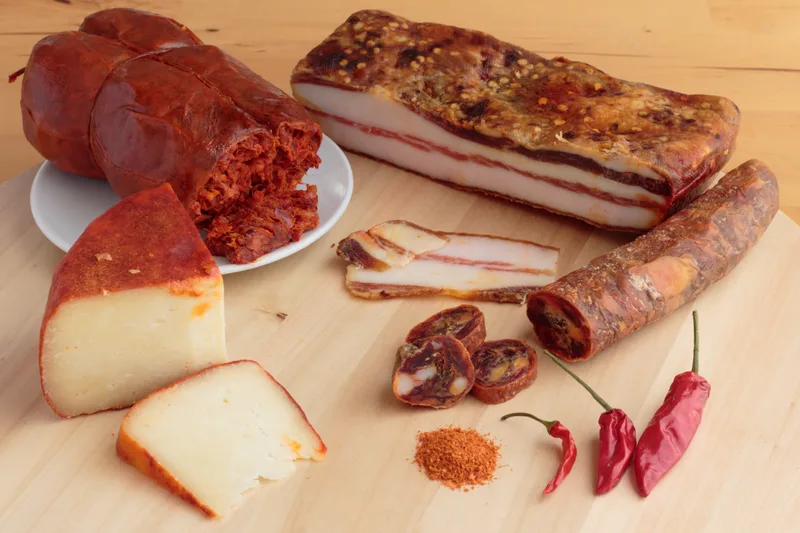
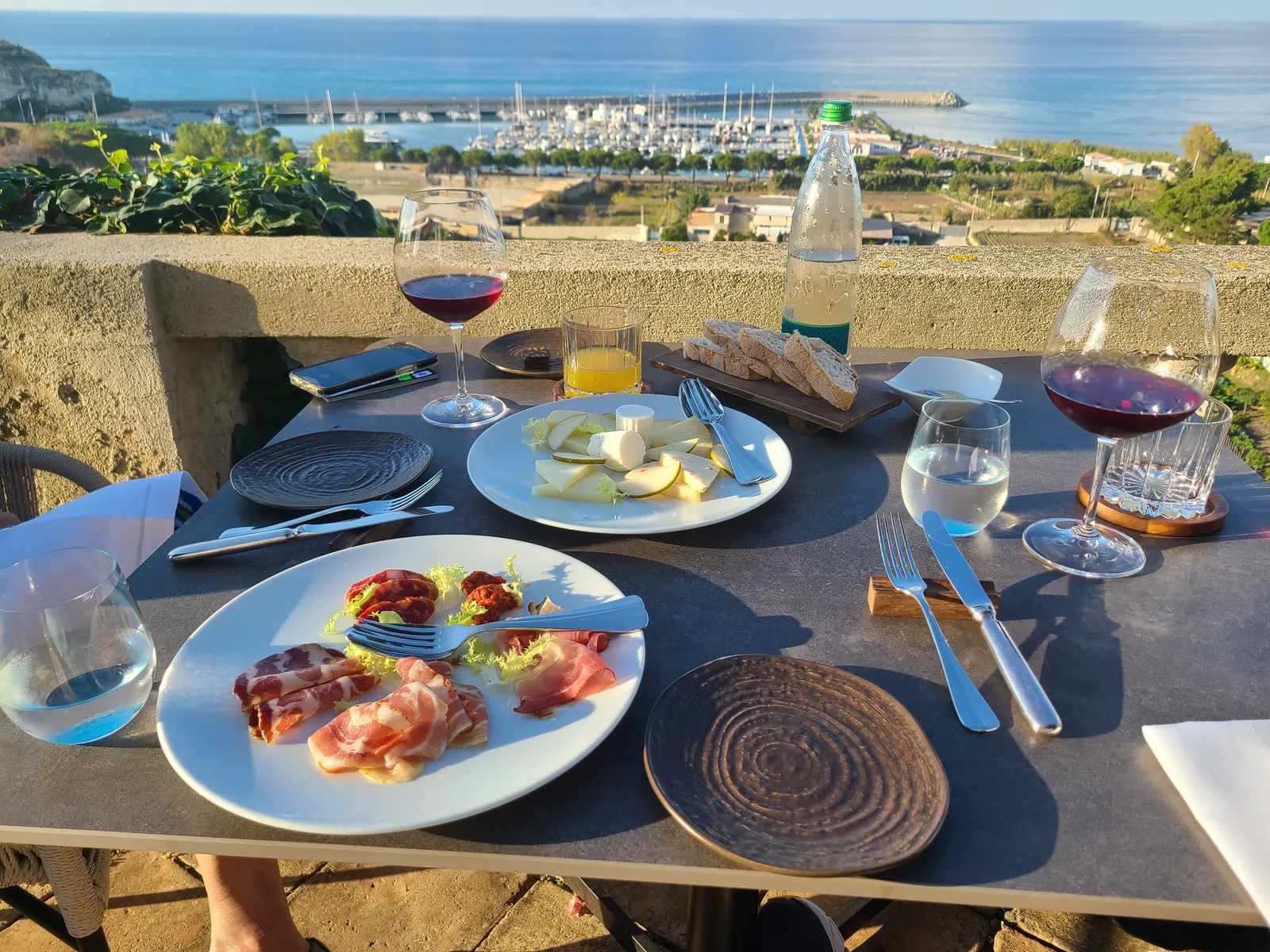
Match the wine to the coast's food. A Greco Bianco or Cirò Bianco suits raw and grilled fish. A Cirò rosato handles swordfish and red onion salads. Save Gaglioppo reds for goat ragù on fileja, soppressata and aged caciocavallo, and pour Greco di Bianco with almond pastries or a hard pecorino. For the dishes themselves, start with what to eat in Calabria.
How to read a Calabrian wine label
- DOCG: the strictest tier. In Calabria that means only Cirò Classico, which must state the vintage and be closed with a flush cork-style stopper, never a synthetic one.
- DOC: a named zone with rules on grapes, yields and aging, such as Cirò, Melissa or Lamezia.
- IGT: a wider geographic label with looser rules; IGT Calabria covers the whole region.
- Classico: in Cirò, the historic heart of the zone; under the DOCG it applies to reds only.
- Superiore and Riserva: higher minimum alcohol and longer aging. A Cirò Riserva spends at least two years aging before release.
- Passito: wine from grapes dried before pressing. Greco di Bianco grapes dry on cane racks until they lose at least 35% of their weight.
When and how to taste Calabrian wine where it is made
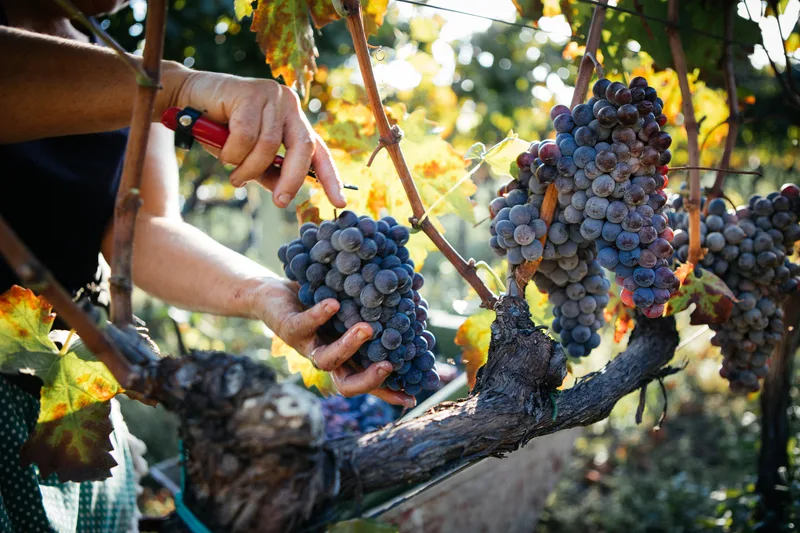
September and October bring the harvest, so the wine country is at its busiest and most alive then. Estates welcome visitors by appointment, usually on weekdays, and the main zones sit far apart: Cirò Marina is roughly a three-hour drive from Tropea, while the Lamezia estates are about an hour away.
For producers that take visitors and how to book them, see wineries to visit in Calabria. For a deep look at the region's flagship appellation, read the guide to Cirò wine, and for the season itself, the grape harvest in Calabria.
Planning Calabria?
Hear when 2027 dates open
A small group of women, one week in Tropea, everything arranged. Join the list for first word on dates and an occasional letter from Calabria.
One email when 2027 dates open, and an occasional letter from Calabria. Unsubscribe any time.
Questions
Does Calabria have a DOCG wine?
Yes, one: Cirò Classico, a red from the communes of Cirò and Cirò Marina in the province of Crotone. It must contain at least 90% Gaglioppo, with Magliocco and Greco Nero allowed for the rest, and it cannot be sold before 36 months of aging, six of them in wood.
Is Calabrian wine sweet?
Most Calabrian wine is dry, and the reds can be quite tannic. The famous exception is Greco di Bianco, a sweet passito from the Ionian town of Bianco, released no earlier than November 1 of the year after harvest. Mantonico is also made in a sweet passito style.
Is Gaglioppo related to Sangiovese?
DNA studies show a close relationship with Sangiovese, and Gaglioppo is believed to be an offspring of the Calabrian white Mantonico Bianco. In the glass it is its own grape: firm, warming and spicy, with tannins that soften after a few years in bottle.
What is the best Calabrian wine to try first?
Start with a Cirò Rosso or a Cirò Classico to understand Gaglioppo, then try a white from Greco Bianco with seafood. If you see a single-variety Magliocco from the Monte Poro or Cosenza, order it for contrast with the Ionian reds.
Sources and further reading
- MASAF: Cirò Classico DOP (DOCG) production specification
- Wikipedia (Italian): Vini della Calabria
- Wikipedia: Calabrian wine
- Wikipedia (Italian): Greco di Bianco
- Wikipedia: Mantonico bianco
Checked November 19, 2026. Timetables, prices and opening hours change; confirm before you travel.
Keep reading
Related guides