Wine guide
Cirò wine
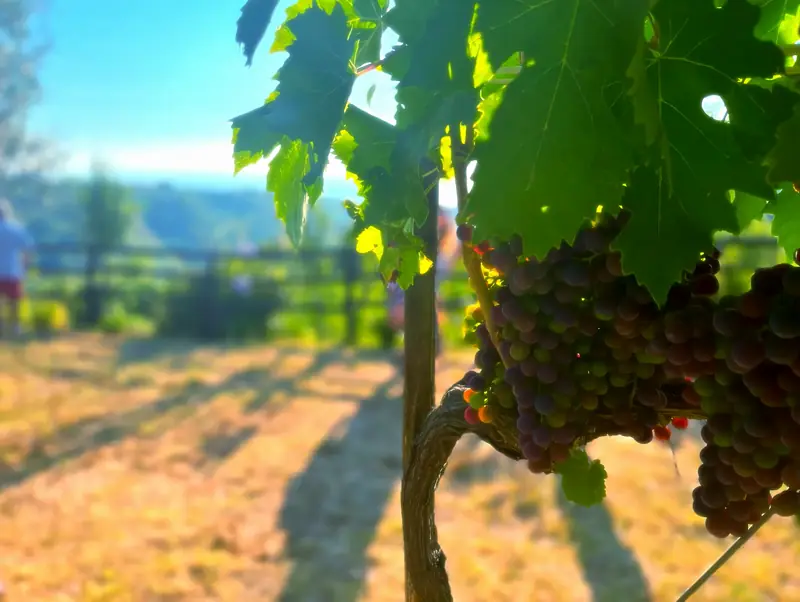
Cirò is Calabria's best-known wine, made around the towns of Cirò and Cirò Marina on the Ionian coast in the province of Crotone. Most of it is a firm, spicy red from the Gaglioppo grape, with smaller amounts of rosato and a white from Greco Bianco. Cirò became Calabria's first DOC in 1969, and its historic core now has the region's only DOCG, Cirò Classico, a red aged at least three years.
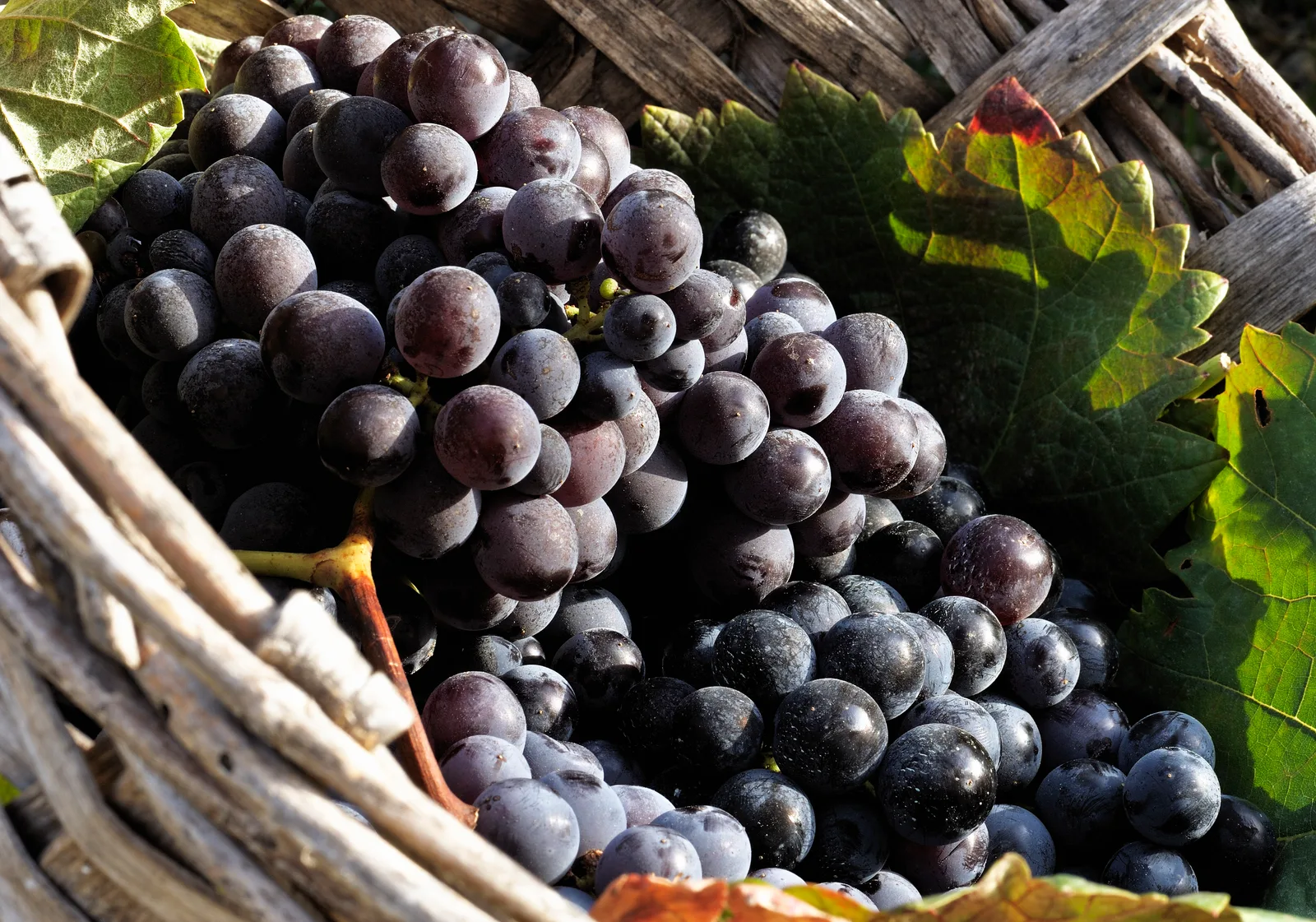
Cirò has two tiers: the 1969 DOC and the new Cirò Classico DOCG
Cirò DOC dates from a presidential decree of April 2, 1969, which made it the first protected wine name in Calabria. It covers all of Cirò and Cirò Marina plus parts of Melissa and Crucoli, and it allows red, rosato and white wines, with Superiore and Superiore Riserva versions of the red.
Cirò Classico DOCG is the newer, stricter tier. Italy approved it in 2023 for the historic core alone, the communes of Cirò and Cirò Marina, and the agriculture ministry filed the specification with the European Commission in 2024. It is a single wine: an aged red.
| Rule | Cirò DOC | Cirò Classico DOCG |
|---|---|---|
| Area | Cirò, Cirò Marina, parts of Melissa and Crucoli | Cirò and Cirò Marina only |
| Colors | Rosso, rosato, bianco | Red only |
| Main grape | Gaglioppo for red and rosato; Greco Bianco for white | At least 90% Gaglioppo; up to 10% Magliocco and Greco Nero |
| Aging before sale | Riserva at least two years | At least 36 months, including 6 in wood |
| Minimum alcohol | Varies by type | 13% |
| Bottle rules | Standard DOC rules | Vintage required; flush stopper, no synthetic closures |
Gaglioppo is the grape that gives Cirò its grip
Gaglioppo makes full-bodied wines high in alcohol and tannin, which is why young Cirò can feel firm and why it rewards a few years in bottle. The DOCG specification describes Cirò Classico as ruby turning garnet with age, with intense red fruit and spice on the nose and a dry, full, persistent taste.
The grape is deeply Calabrian. DNA profiling points to the white Mantonico Bianco as one of its parents, and Gaglioppo handles drought well, which matters in a zone where summer brings a marked water deficit. In the DOCG the traditional partners are Magliocco and Greco Nero, both local reds, and international grapes are not allowed.
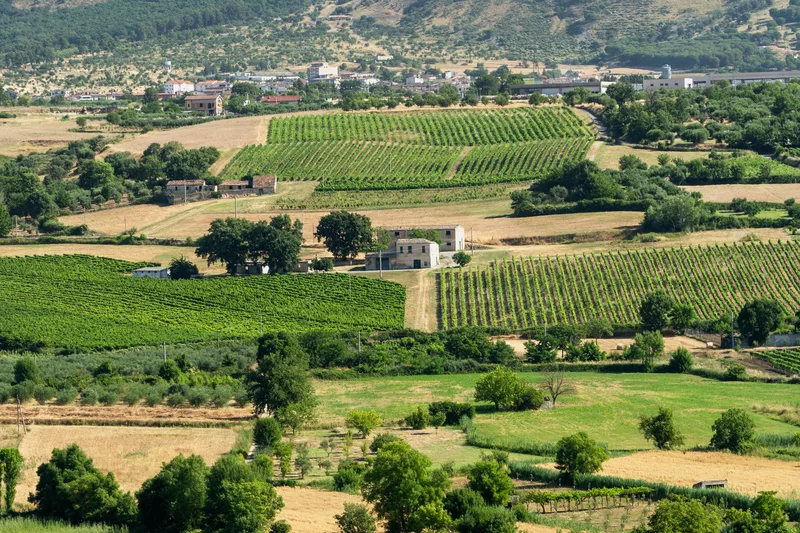
The Cirò zone sits between the Sila mountains and the Ionian Sea
The Cirò Classico area covers about 9,000 hectares, running some 15 km along the Ionian shore and about 10 km inland, from sea level up to 462 meters. The Sila massif to the west and the sea to the east shape a climate the specification calls subhumid to semi-arid, with rain concentrated in autumn and winter, peaking in October and lowest in June.
Soils change as you climb: terraced river deposits near the coast, then sandy and conglomerate hills inland. The specification singles out three areas, Il Feudo, La Ponta and Il Vallo, for clay and limestone soils that suit Gaglioppo especially well. Vines are traditionally trained as low bush vines (alberello) or on wires.
The Krimisa story: Greek roots and an Olympic legend
Local tradition holds that Cirò descends from Krimisa, the wine of the Greek colony of Cremissa, which stood where Cirò Marina is today. The official DOCG specification repeats the story: a temple to the god of wine stood at Cremissa, and Krimisa was the wine given to victorious Olympic athletes. Treat that last part as legend rather than documented history.
The specification also names Milo of Croton, the ancient wrestler and six-time Olympic champion, as an admirer of the wine, and notes that Cirò was poured as the official wine of the 1968 Mexico City Olympics to revive the tradition. Firmer evidence comes from Roman times: Pliny the Elder ranked Calabrian wine among Italy's good wines in the first century AD.
How to serve and pair Cirò
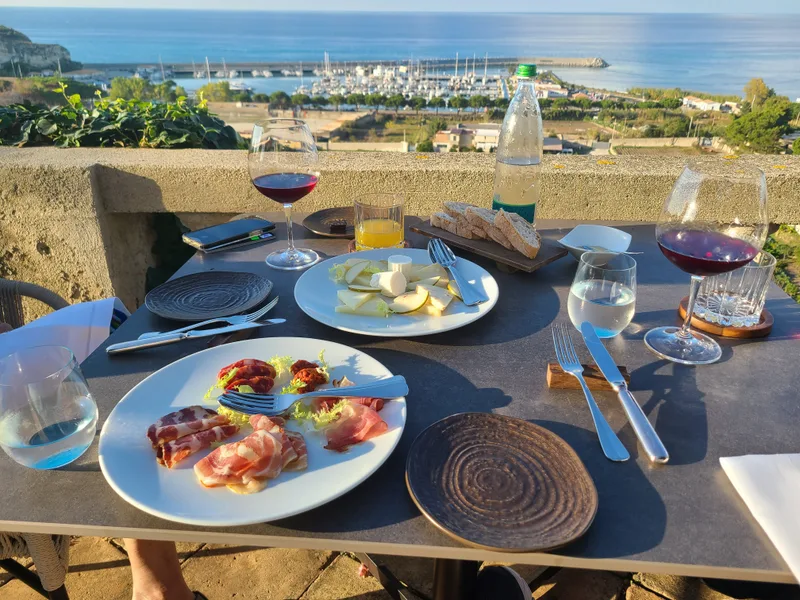
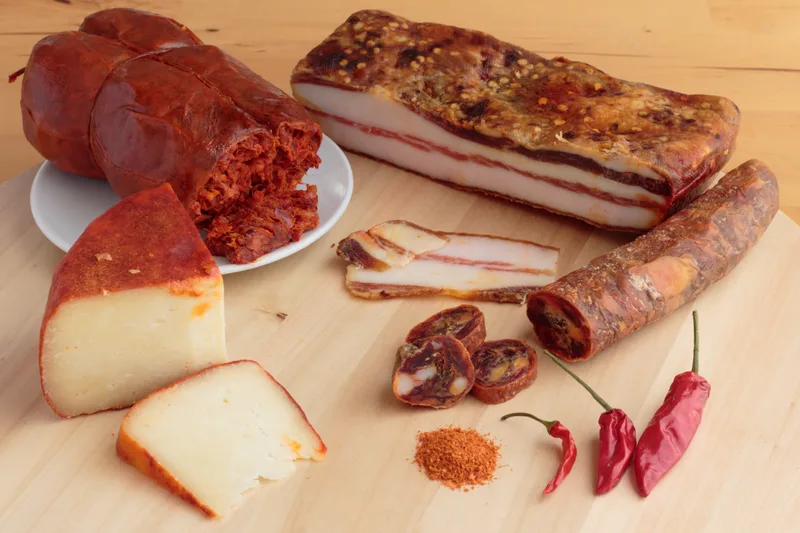
Open a Cirò red an hour ahead, serve it slightly cool, and put it next to food with fat and chili. Its tannin and spice suit Calabria's meat sauces and cured pork.
Cirò Bianco, made mainly from Greco Bianco, is pale and lively: drink it young with fish starters and grilled or baked fish. The cherry-pink rosato is the versatile middle ground for pasta and white meats.
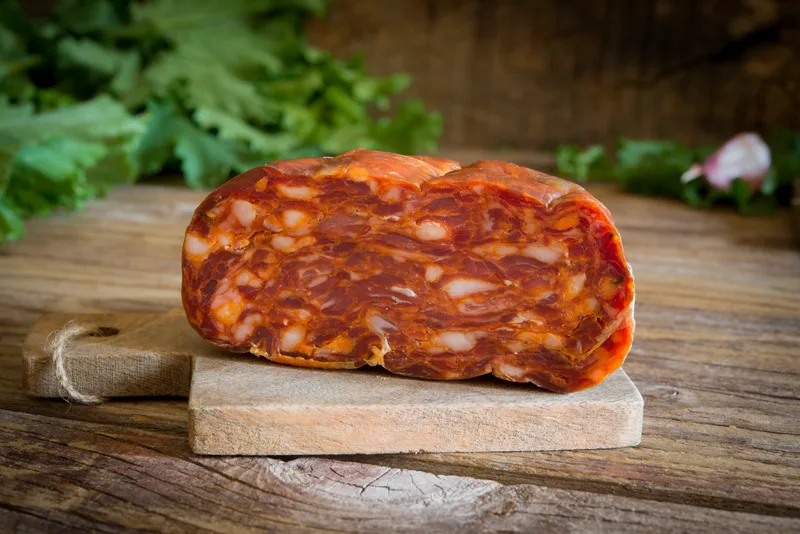
- Cirò Rosso or Classico: goat or pork ragù on fileja, lamb, grilled sausages, soppressata, aged caciocavallo.
- Cirò Rosato: swordfish, pasta with tomato and Tropea onion, chicken.
- Cirò Bianco: marinated anchovies, grilled fish, vegetable antipasti.
Visiting the Cirò wine zone from Tropea
Cirò Marina is on the opposite coast from Tropea, roughly 200 km and about three hours by car each way, so plan it as a full day or an overnight stop. The route crosses the isthmus near Lamezia and follows the Ionian coast north past Crotone.
Two long-established Cirò Marina producers welcome visitors by appointment: Librandi, whose family has bottled wine there since 1953, and Ippolito 1845, which describes itself as the oldest winery still operating in Calabria. Book ahead, and expect weekday slots. Details and other estates are in the guide to wineries to visit in Calabria, and the wider picture is in the Calabrian wine guide.
Planning Calabria?
Hear when 2027 dates open
A small group of women, one week in Tropea, everything arranged. Join the list for first word on dates and an occasional letter from Calabria.
One email when 2027 dates open, and an occasional letter from Calabria. Unsubscribe any time.
Questions
Is Cirò red or white?
Both, plus rosato, but red is the main event. Cirò DOC covers red and rosato from Gaglioppo and white from Greco Bianco, while Cirò Classico DOCG is red only. If a list just says Cirò, assume the red unless it says Bianco or Rosato.
What does Cirò taste like?
A Cirò red is dry and full-bodied with firm tannin, red fruit and a spicy edge. With age the color moves from ruby toward garnet and the texture softens. The rosato is fresher and lighter, and the white is crisp and delicate.
Are Cirò and Cirò Marina the same place?
No. Cirò is the older hill town and Cirò Marina is the newer town on the coast below it, both in the province of Crotone. Together they form the whole Cirò Classico DOCG area, and both Librandi and Ippolito 1845 are based in Cirò Marina.
How long can you keep a bottle of Cirò?
Cirò reds are often drunk three to four years after the vintage, though the tannin can take longer to soften. Cirò Classico is already at least three years old when released, so it is ready on arrival and can usually rest a few more years.
Sources and further reading
- MASAF: Cirò Classico DOP (DOCG) production specification
- Wikipedia (Italian): Cirò (vino)
- Quattrocalici: Cirò DOC
- Wikipedia: Gaglioppo
- Librandi: winery visits
Checked November 19, 2026. Timetables, prices and opening hours change; confirm before you travel.
Keep reading
Related guides