City guide
Reggio Calabria travel guide
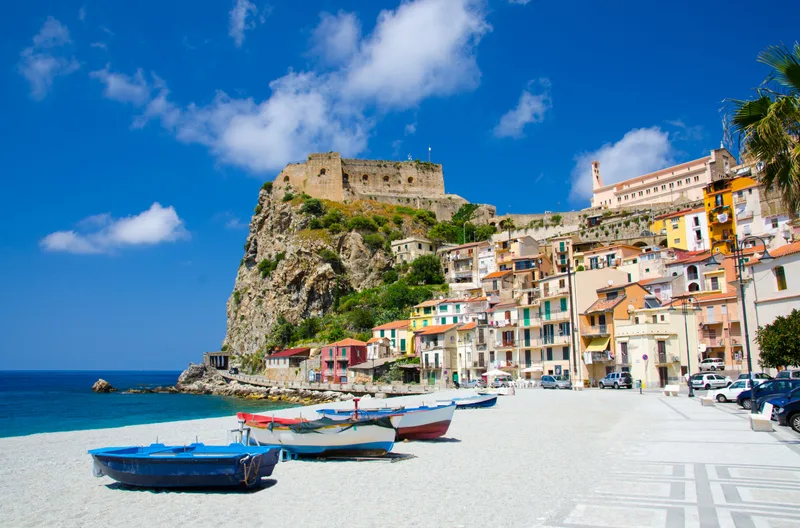
Reggio Calabria is Calabria's largest city, home to about 168,000 people on the Strait of Messina, and about 1 hour 30 minutes to 1 hour 45 minutes by car from Tropea. Most visitors come for the Riace Bronzes in the national archaeological museum, then walk the Lungomare Falcomatà, a seafront promenade of about 1.7 km lined with Greek walls, Roman baths and a view of Sicily. The 1908 earthquake leveled the old city, so expect early-20th-century streets rather than a medieval core. One full day covers it well.
Reggio is an ancient Greek city rebuilt after 1908
Reggio looks young because it had to start over. Settlers from Chalcis in Greece founded Rhegion in the 8th century BC (tradition gives 743 BC) on the site of an older settlement, and it became one of the leading cities of Magna Graecia. Then, at 5:21 a.m. on 28 December 1908, an earthquake shook the city for 31 seconds. An estimated 25,000 people died in Reggio, about 27% of its inhabitants, and roughly ten minutes later a tsunami about 10 meters high struck the people who had fled toward the shore.
Most of what you walk through today is the city rebuilt afterward. The cathedral was reconstructed after the quake, and the center has the broad, orderly feel of the early 1900s. The older layers surface in fragments, which is part of the pleasure: a stretch of Greek wall on the seafront, the foundations of a Roman bath, a castle older than the Normans.
What to see in Reggio Calabria in one day
Start at the museum in the morning, walk the seafront in the late afternoon, and fit the castle and cathedral in between. The museum is on Piazza De Nava at the northern end of the center, a short walk from the water, and the lungomare runs along the shore below the main streets.
| Sight | What it is | Allow |
|---|---|---|
| Museo Archeologico Nazionale (MArRC) | The Riace Bronzes, finds from Locri and the Greek colonies | 2 to 3 hours |
| Lungomare Falcomatà | Seafront promenade of about 1.7 km facing Sicily | 1 to 2 hours, ideally toward sunset |
| Greek walls and Roman baths | Ruins set into the seafront | 20 minutes, on the lungomare walk |
| Arena dello Stretto | Greek-style open-air theater facing the sea, used for summer events | A pause on the walk |
| Aragonese Castle | Fortress first built before 540 AD, enlarged in 1459, now used for exhibitions | 30 to 60 minutes |
| Cathedral | The city's main church, rebuilt after 1908 | 20 to 30 minutes |
The Lungomare Falcomatà is the city's front room
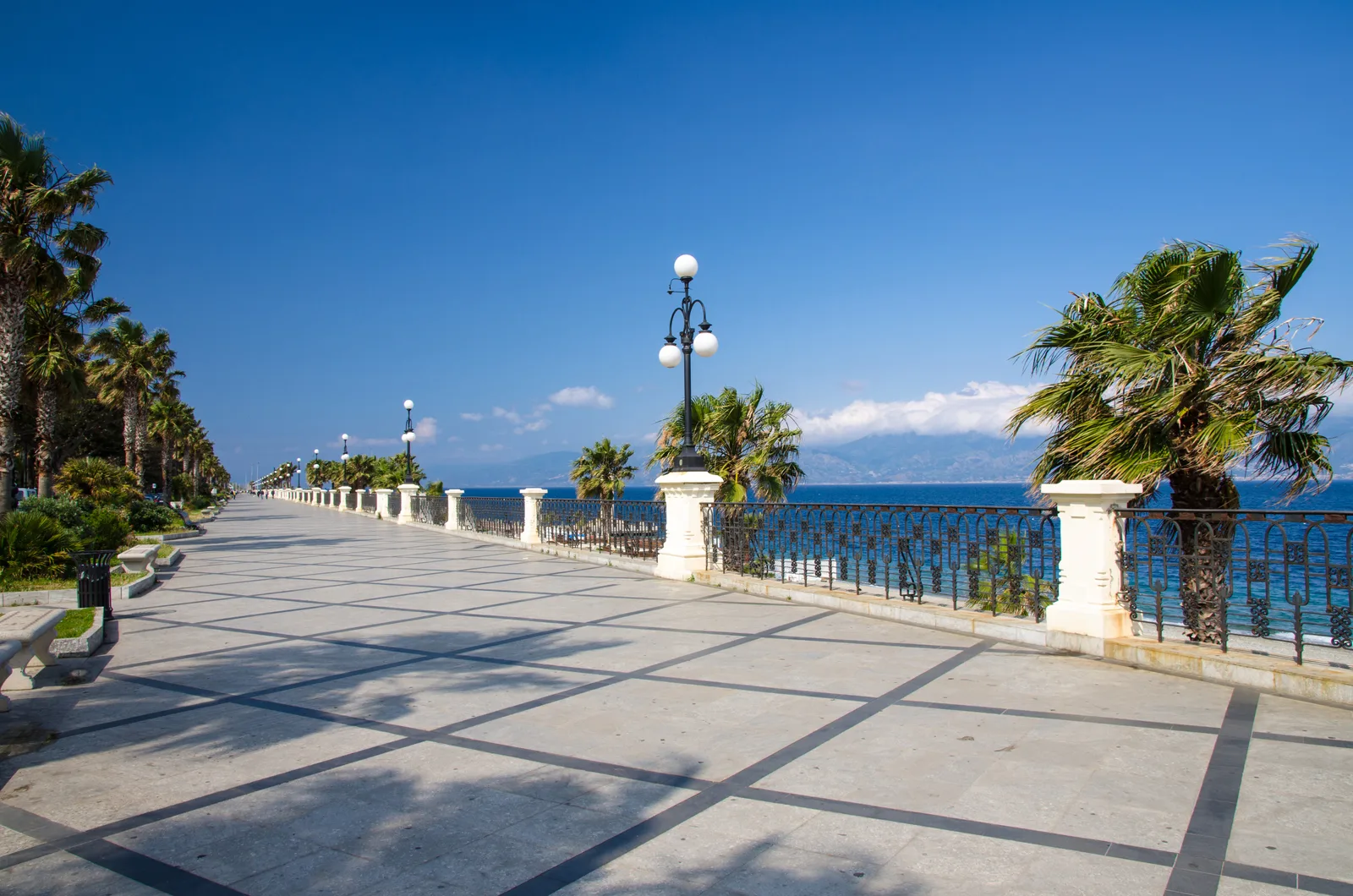
The seafront promenade is where Reggio makes sense. It is named after Italo Falcomatà, the mayor who inspired the city's revival known as the Primavera di Reggio, and runs for about 1.7 km with Sicily filling the view across the strait.
Along the way you pass a section of the Greek city walls from the 5th to 4th century BC, the remains of a Roman bath complex (imperial Rhegium had nine), and the Arena dello Stretto, whose seats face the sea. Two modern pieces stand out: Opera, an installation by Edoardo Tresoldi made of columns in wire mesh, and a bronze Athena Promachos on a marble base by Camillo Autore, a monument to King Vittorio Emanuele III.
You will hear the lungomare called the most beautiful kilometer in Italy, a line usually credited to Gabriele D'Annunzio. The local historian Agazio Trombetta argued that D'Annunzio never came to Reggio; the phrase seems to come from the sports broadcaster Nando Martellini, during a radio commentary of a cycling race on 27 March 1955.
Locals also talk about the Fata Morgana, an optical mirage that can make the Sicilian shore appear stretched and close across the water. It needs rare, still conditions, so enjoy it if it happens rather than planning around it.
The museum and the Riace Bronzes are the main reason to come
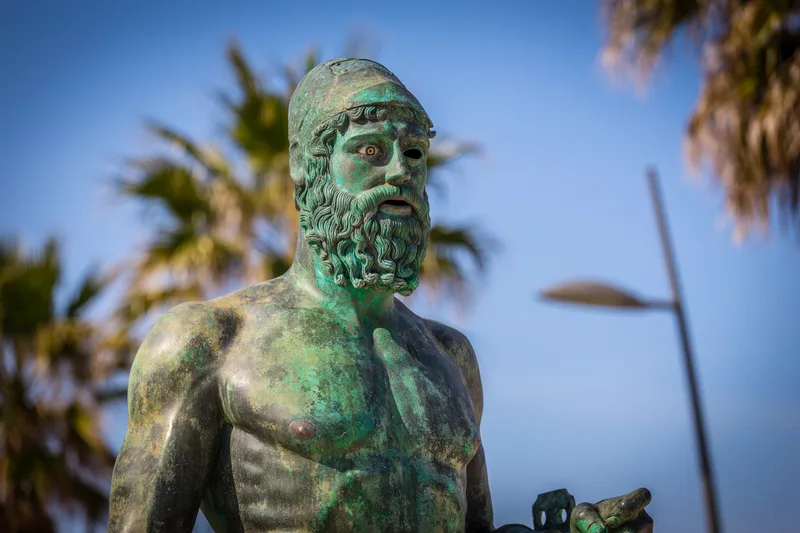
The Museo Archeologico Nazionale di Reggio Calabria (MArRC) holds the two Riace Bronzes, Greek warriors cast in the 5th century BC, along with the best collection of finds from the Greek colonies of Calabria. It occupies Palazzo Piacentini, designed by Marcello Piacentini and built between 1932 and 1941.
The usual pattern is Tuesday to Sunday, 9 a.m. to 8 p.m., last entry 7:30 p.m., with Mondays closed apart from announced holiday openings. A full ticket has cost €8 to €10 in recent years. Hours and prices change, so check the official MArRC visitor page before you drive down.
For the story of the find, what to look for on each statue and how the bronzes room works, read the guide to the Riace Bronzes at the Reggio Calabria museum.
Bergamot is the flavor of the city
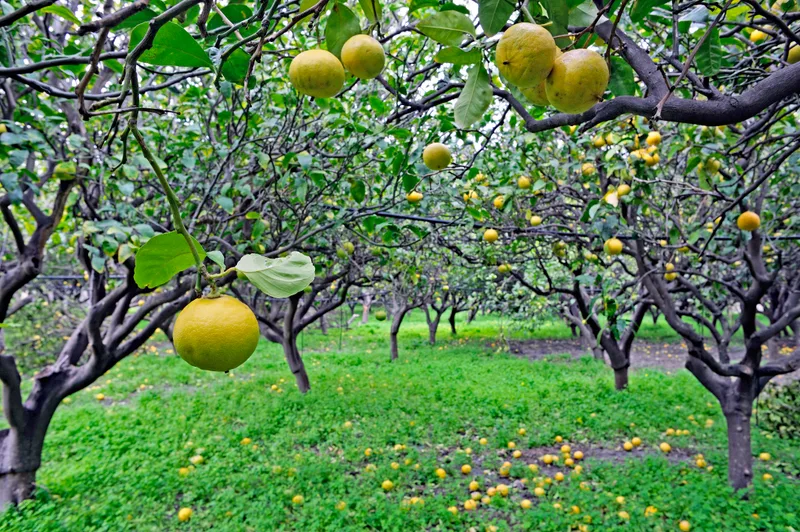
Reggio calls itself the city of bergamot, the green citrus grown along this coast whose essential oil goes into perfume and Earl Grey tea. The fruit is cultivated across the province, and in town you meet it as liqueur, marmalade, sorbet and sweets rather than fresh, since the harvest falls in winter.
If you want to taste it properly or bring some home, the guide to bergamot from Reggio Calabria lists what to order and what travels well.
Getting to Reggio from Tropea, and across to Sicily
Driving from Tropea takes about 1 hour 30 minutes to 1 hour 45 minutes for roughly 100 km, nearly all of it on the A2 motorway. Trains also run: Reggio Calabria Centrale, opened in 1866, is the largest station in Calabria, but journeys from Tropea vary in length and some need a change. Reggio's own airport, the Aeroporto dello Stretto, sits just south of the center and mostly serves domestic routes such as Rome and Milan.
- For Sicily, compare crossings in ferries from Calabria to Sicily.
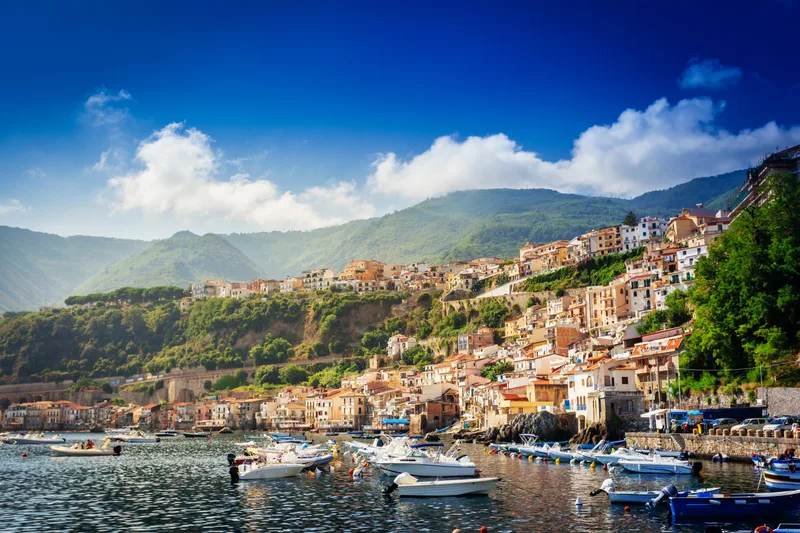
- Add the town of the sea monster with the Scilla and Chianalea travel guide.
| Route | Rough time | Notes |
|---|---|---|
| Tropea to Reggio by car | 1 h 30 min to 1 h 45 min | About 100 km, mostly A2 motorway |
| Reggio to Scilla by car | 20 to 30 minutes | 22 km north along the strait |
| Reggio to Villa San Giovanni by car | 15 to 20 minutes | The main car-ferry port for Sicily |
| Reggio to Gambarie in the Aspromonte | 40 to 50 minutes | Mountain road up to about 1,350 m |
| Center to Reggio airport | 10 to 15 minutes | About 7 km |
Planning Calabria?
Hear when 2027 dates open
A small group of women, one week in Tropea, everything arranged. Join the list for first word on dates and an occasional letter from Calabria.
One email when 2027 dates open, and an occasional letter from Calabria. Unsubscribe any time.
Questions
Is Reggio Calabria pretty, or just a gateway to Sicily?
More than a gateway, though not a medieval showpiece. The 1908 earthquake destroyed most of the old center, so the streets are early 20th century, but the seafront is one of the finest in southern Italy and the museum alone justifies the trip.
Is one day enough for Reggio Calabria?
One full day covers the museum, the seafront and the castle comfortably. Add a night if you also want Scilla, 22 km north, or a few hours in the Aspromonte above the city.
Where is the best view of Sicily in Reggio?
The Lungomare Falcomatà. Messina and the Sicilian shore sit directly across the strait for its whole length, and the light is best late in the day. On rare still days the Fata Morgana mirage can make the far coast look even closer.
What is Reggio Calabria known for?
Above all for the Riace Bronzes, the two Greek warriors in its national archaeological museum. It is also known for the Lungomare Falcomatà facing Sicily, for rebuilding itself after the 1908 earthquake, and for bergamot, the citrus grown along its coast.
Sources and further reading
- Wikipedia: Reggio Calabria
- Wikipedia (Italian): Lungomare Falcomatà
- MArRC: Opening hours, ticket prices and visitor info
- Ministero della Cultura: MArRC Museo archeologico nazionale di Reggio Calabria
Checked November 19, 2026. Timetables, prices and opening hours change; confirm before you travel.
Keep reading
Related guides